Blog

  • Week7

    Sound Design Idea: The Radio Scene in Gasman

    For my final project, I chose the first three minutes of the film Gasman.

    In this opening scene, there is no original score. Instead, there is a diegetic song called “Let It Snow” playing from an old radio in the character’s home. It sets the whole atmosphere and time period for the scene.

    My Recording and Mixing Plan:

    1 Acoustic Re-recording (Physical Setup):

    Instead of just using digital plugins on a clean audio track, I want to create a real vintage radio sound physically. I will play the song through a speaker, and use a microphone to record it in the room. This way, we can get real air vibration and a natural lo-fi texture.

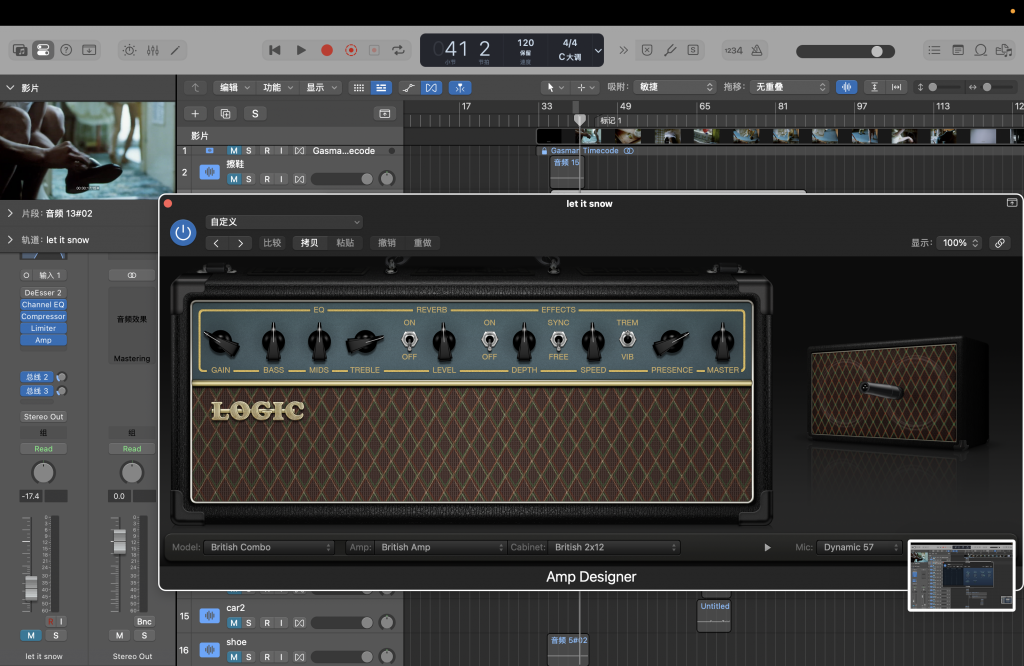
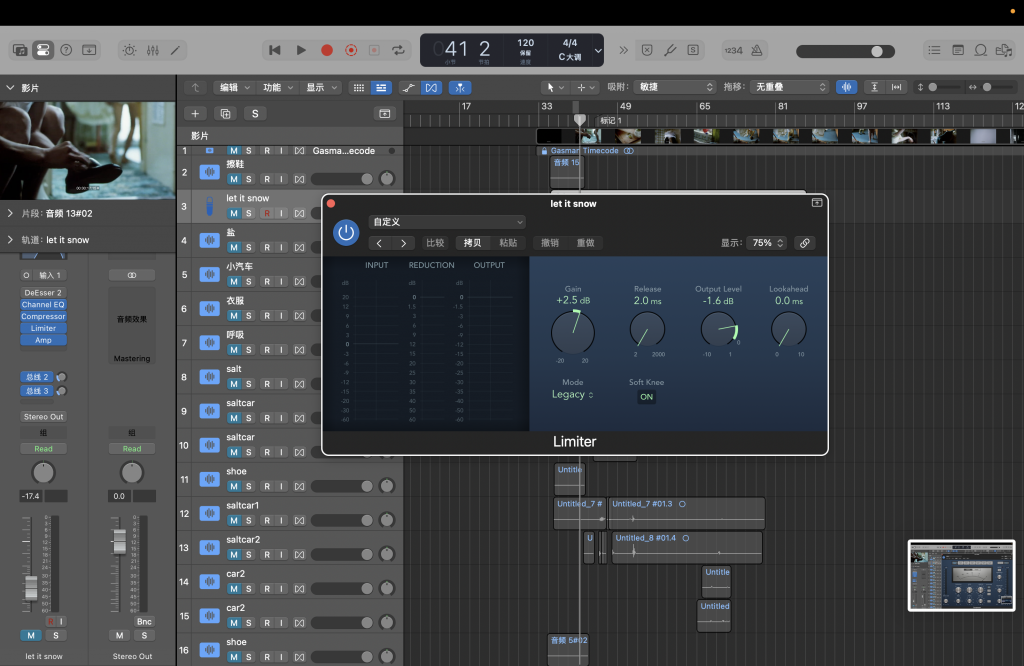
    2 Logic Pro Processing:

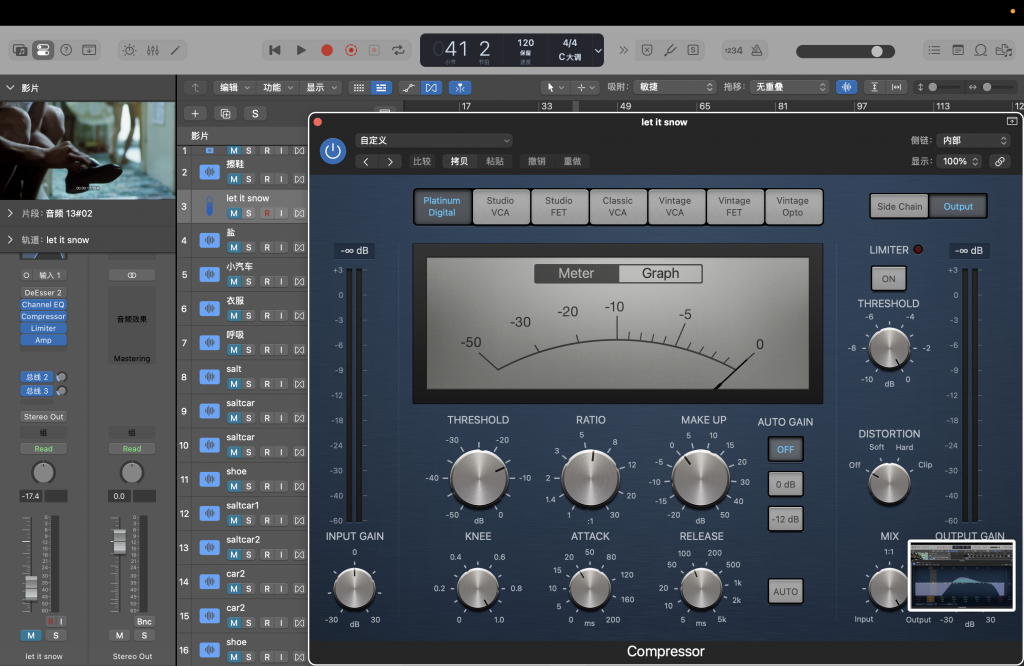
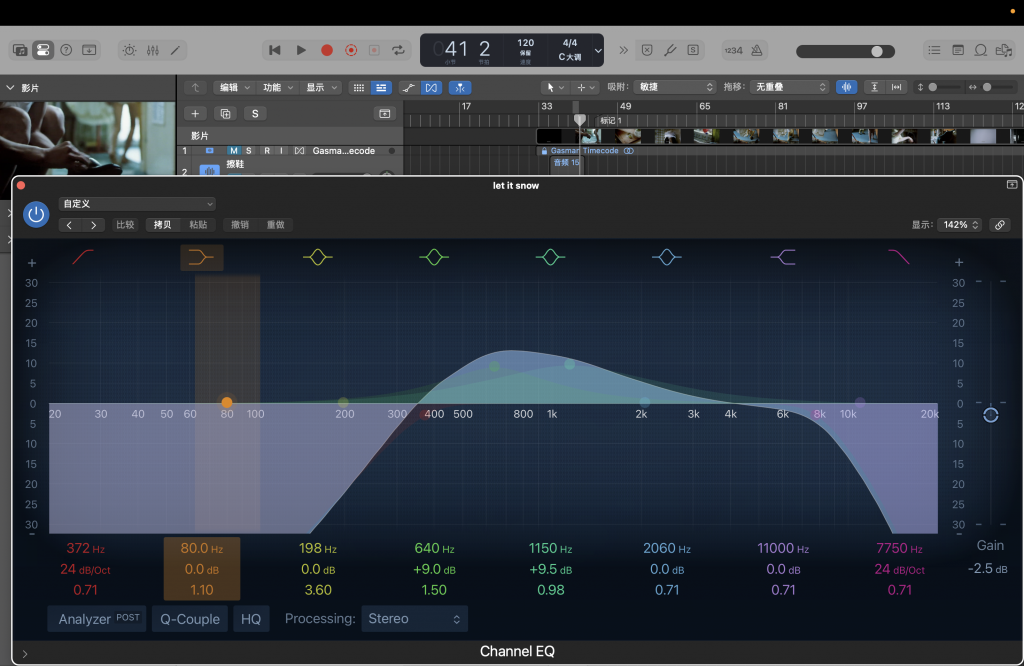
    After importing the recorded audio into Logic, I will use some EQ, reverb, and maybe a bit of distortion or filtering. This will make it sound even more muffled and distant, just like music coming out of an old radio inside a room.

    This method helps build a realistic space and brings a strong nostalgic feeling to the opening scene.
  • Week6

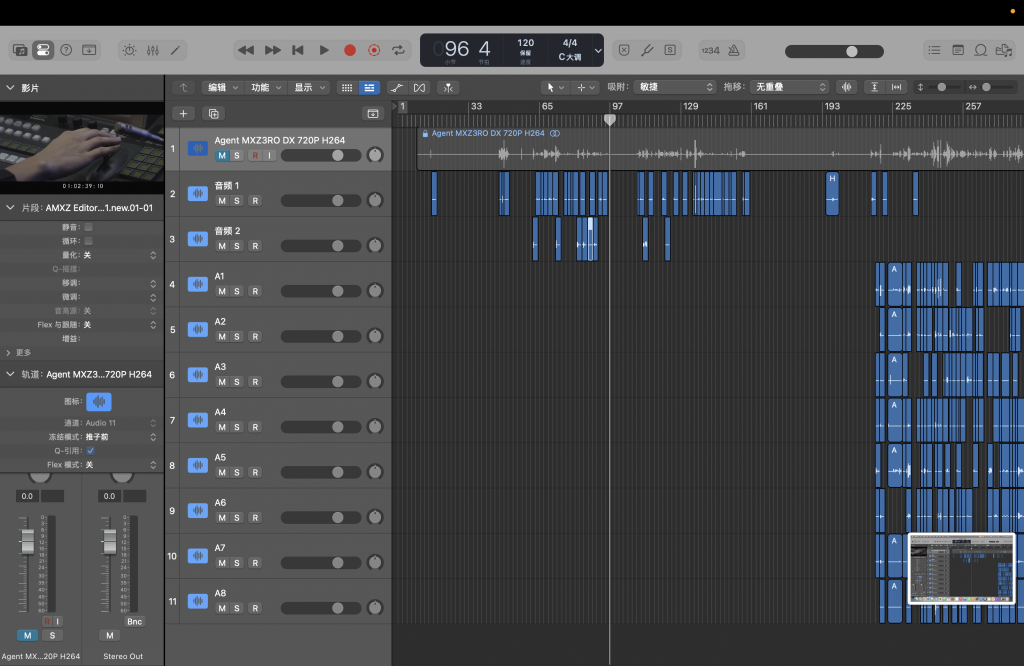
    This week in Sound for Screen, we moved into post-production workflow. Our tutor gave us a project package called Agent, so I imported everything into Logic Pro and got started.  

    First things first, I had to align the timecode to make sure the audio synced up properly with the visual. Once that was locked, the main task was diving into dialogue editing.

    The raw tracks had a few little issues here and there—like background noises, or words that were accidentally repeated. I zoomed into the waveforms, cut out the messy parts, and cleaned up the duplicate words. I also made sure to add short crossfades so the cuts wouldn’t click or pop.

    It was a bit tedious, but it really showed me how important clean dialogue is before you even touch the rest of the sound design.

  • Week4

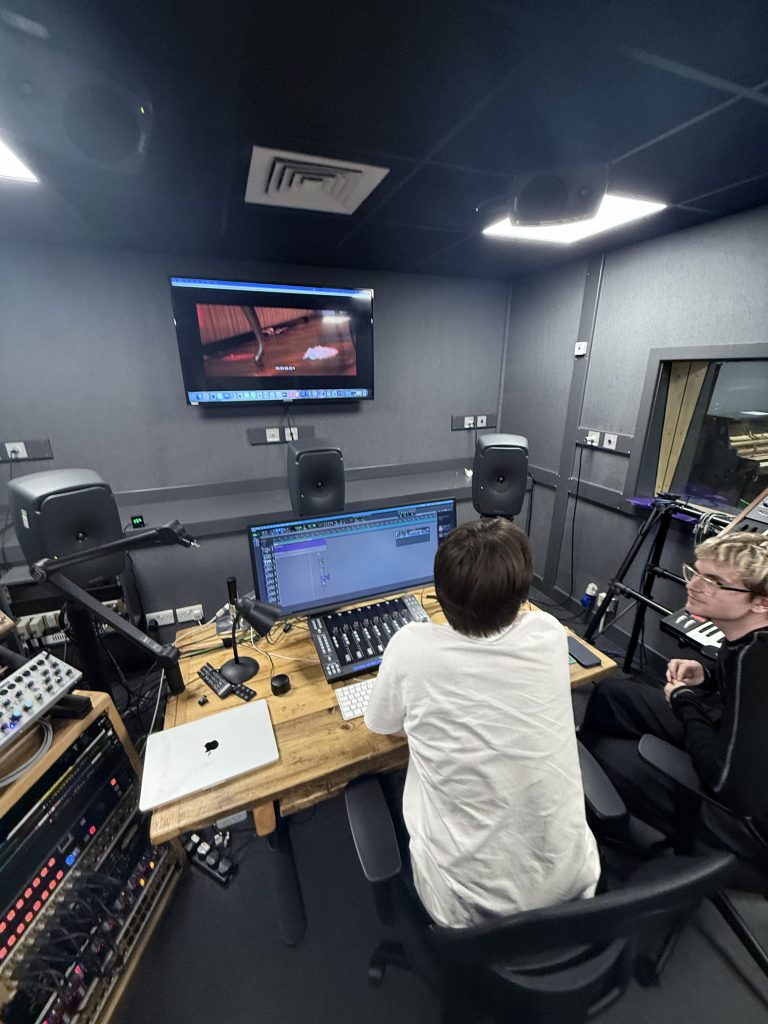
    Today in our Sound for Screen class, we stepped out of the theory and into the Composition and Foley Studio for our first hands-on group Foley recording session.

    Before stepping onto the Foley stage, we started in the control room to learn the proper workflow. We went over how to boot up the studio hardware, manage signal routing, and prep our Pro Tools session. As required for our session prep, we made sure our Pro Tools template was clean—with blank regions and tracks properly labeled into moves, ft (footsteps), and spots.

    Once inside the studio, we focused on recording footsteps and a specific prop sound: pills being poured out.

    At first, another classmate tried performing the footsteps. However, the fabric of their jeans kept brushing together, creating unwanted cloth friction noise that bled into the mic. We quickly troubleshot this by switching roles—I took over the footsteps instead. Changing into a quieter outfit made an immediate difference; the background rustling dropped significantly, and the rest of the recording flowed much more smoothly.

    We also experimented with the prop sound for the pills, focusing on how close mic placement captures the crisp, delicate texture of the small objects.

  • Foley Recording — Practical Session 1

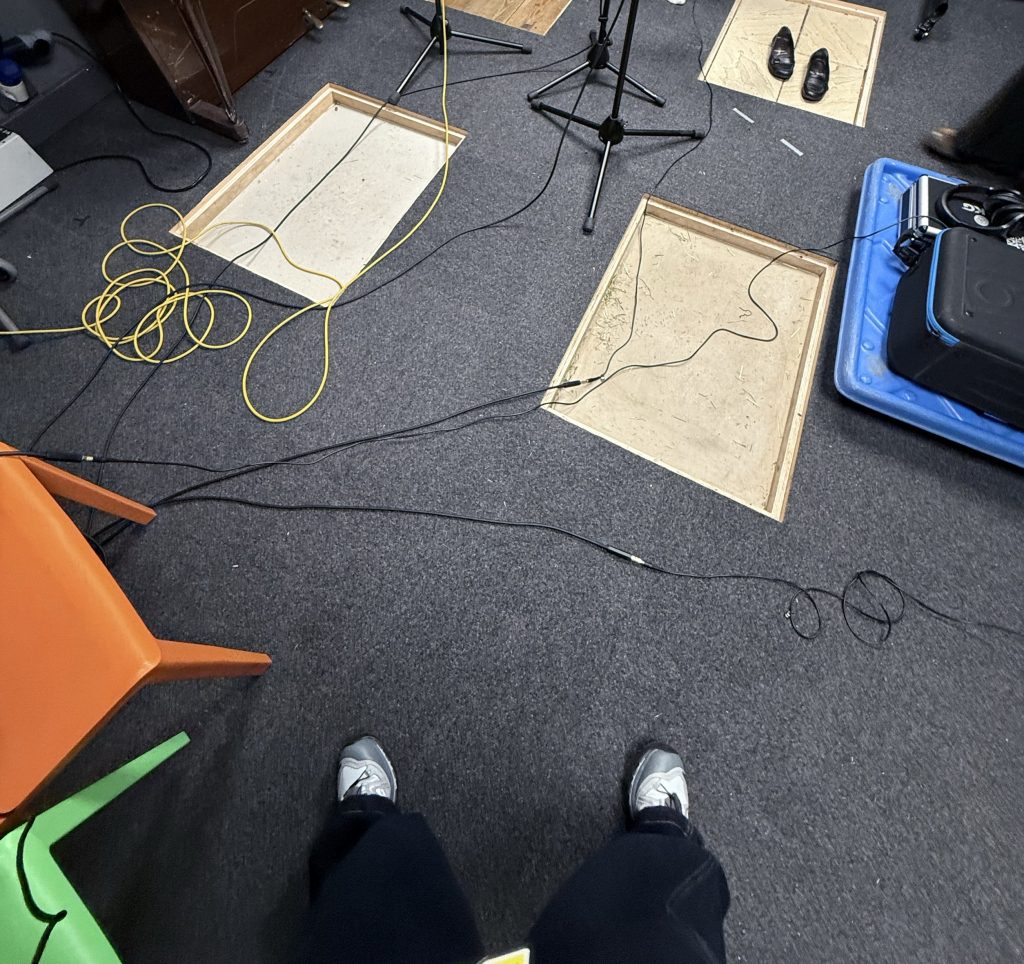
    For this practical session, I booked M109 Composition Studio and M110 Foley Studio to complete my Foley recording experiments for Gasman.

    At the beginning of the session, I first learned from the tutor how to use the equipment and workbench in the studio. After that, I went to the Foley studio to learn how to set up the microphones, connect the audio interface and headphones, and prepare the recording equipment.

    Before starting the recordings, I tested the connection between the two rooms to check whether the sound could be transmitted properly. I also adjusted the studio monitors to make sure the playback was working correctly.

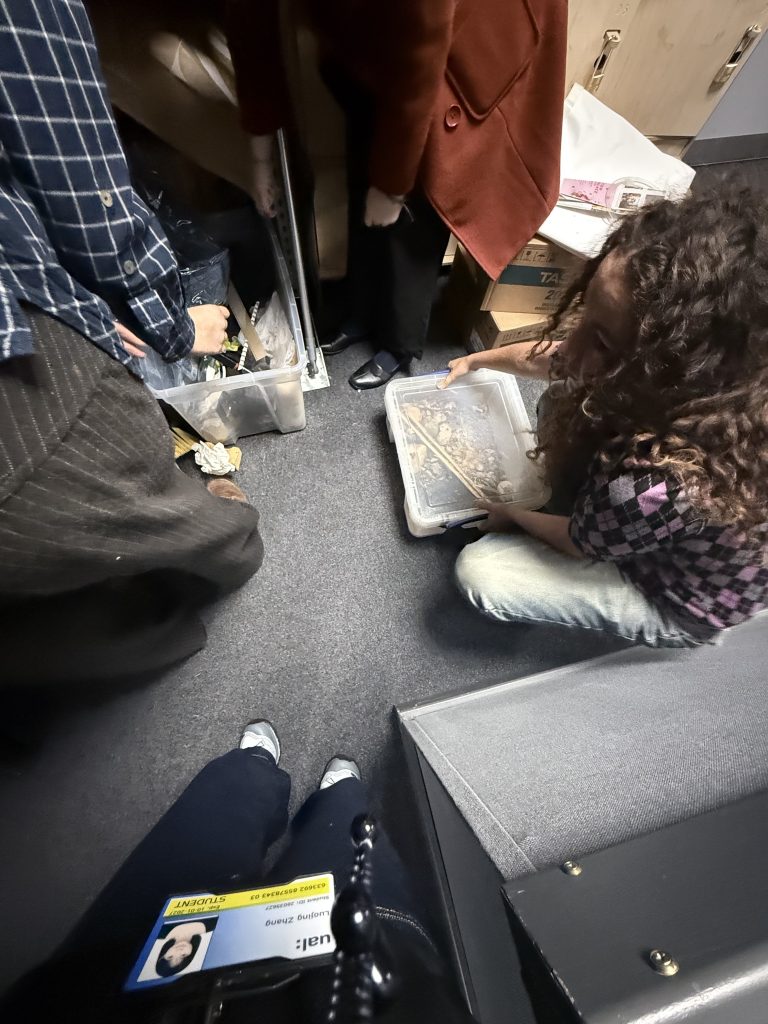
    Once the technical setup was ready, I started selecting different objects to recreate the everyday sounds from the film.

    For the shoe brushing sound, I used a piece of rough fabric rope and a leather shoe. I experimented with rubbing the materials together to create a sound similar to brushing and cleaning shoes.

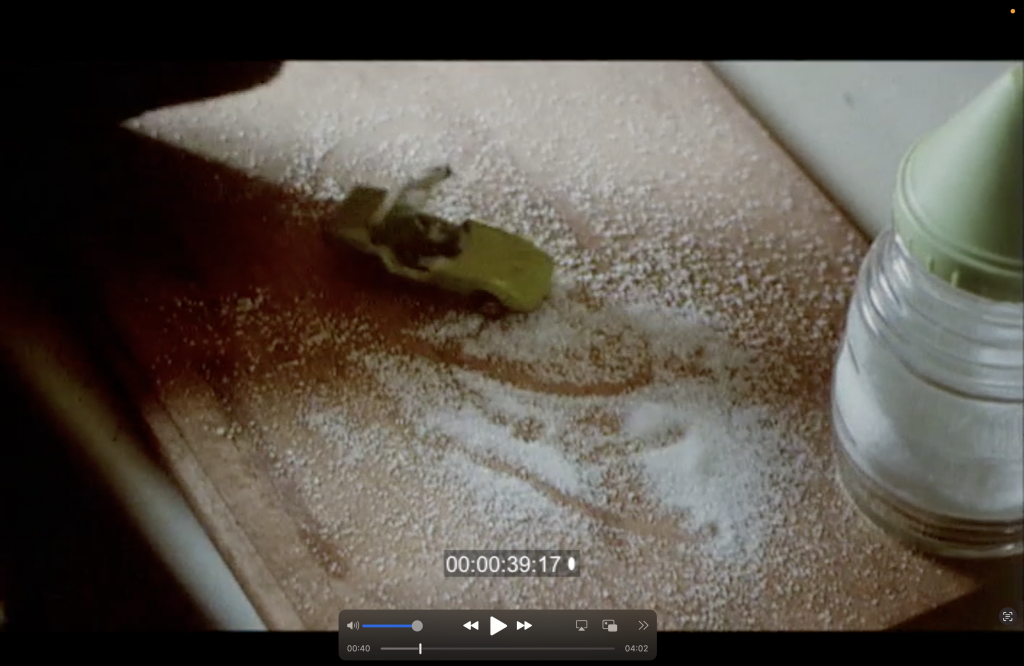
    To recreate the sound of salt being poured or shaken, I put some soil and sand into a small container and experimented with shaking and pouring it. I wanted to find a sound with a similar texture to small grains moving inside a salt shaker.

    For the toy car sound, I used a small mechanical component to imitate the movement and sound of a toy vehicle.

    I also experimented with rice paper. By rubbing and moving the paper, I tried to recreate the rustling sound of clothing and plastic bags.

    This session helped me understand that Foley recording is not simply about finding objects that look similar to those in the film. It is more about experimenting with different materials and discovering whether they can produce the sound I need.

    I also gained some practical experience in setting up microphones and connecting recording equipment. Through these experiments, I started to understand how different materials can create different sound textures, and how important it is to test several possibilities before deciding on the final recording method.

  • Sound Analysis:Gasmen

    For my final project, I chose the first three minutes of Gasman (1998), directed by Lynne Ramsay. I chose this section because it contains a wide range of everyday sounds that can be explored and recreated through Foley recording and sound design.

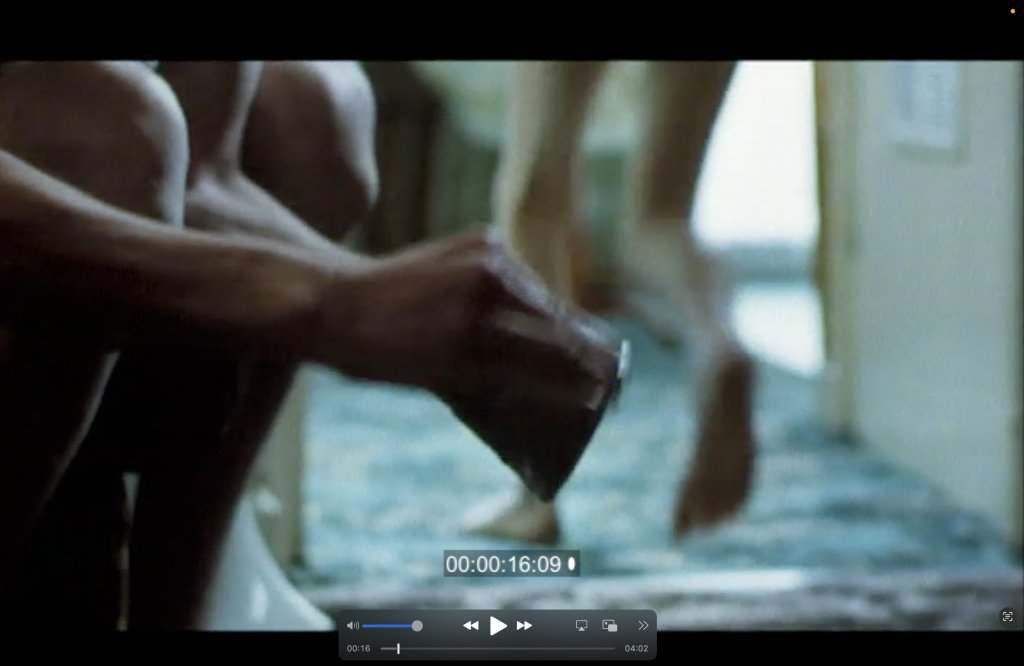
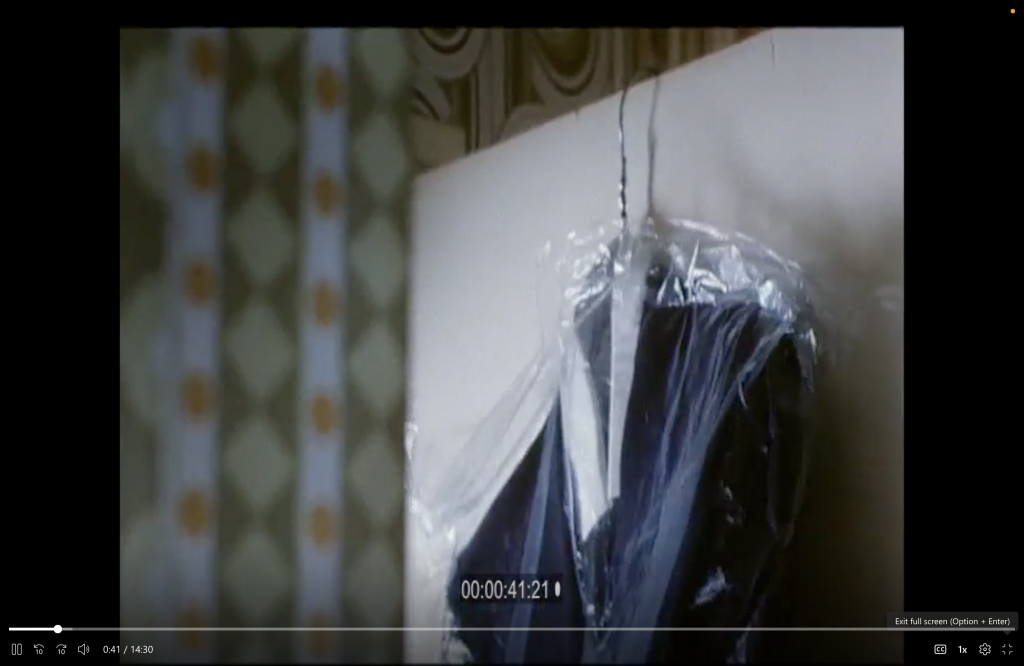
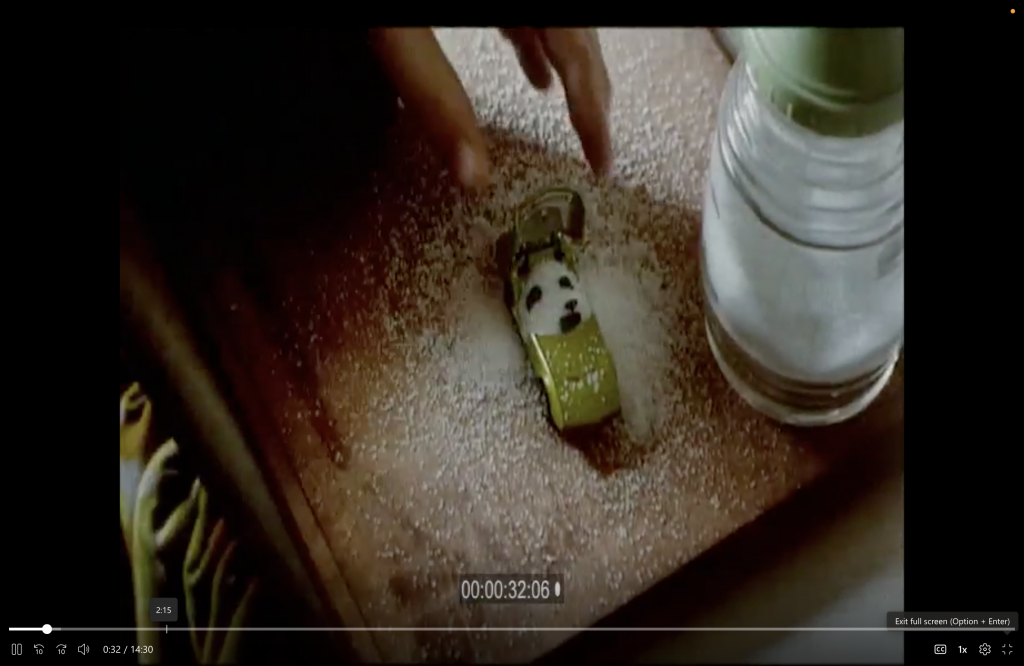
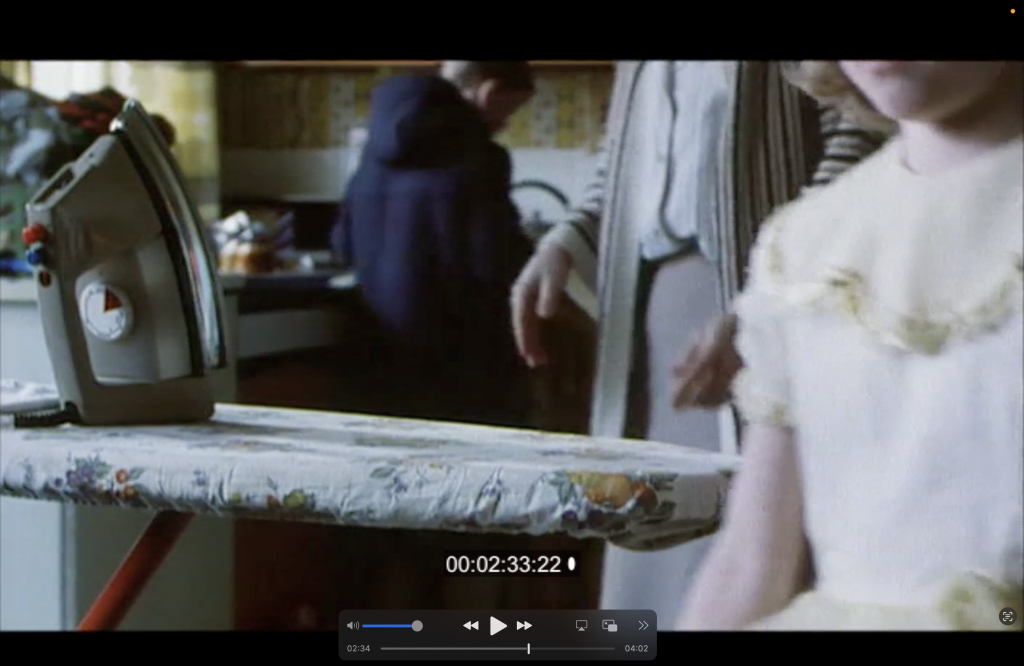
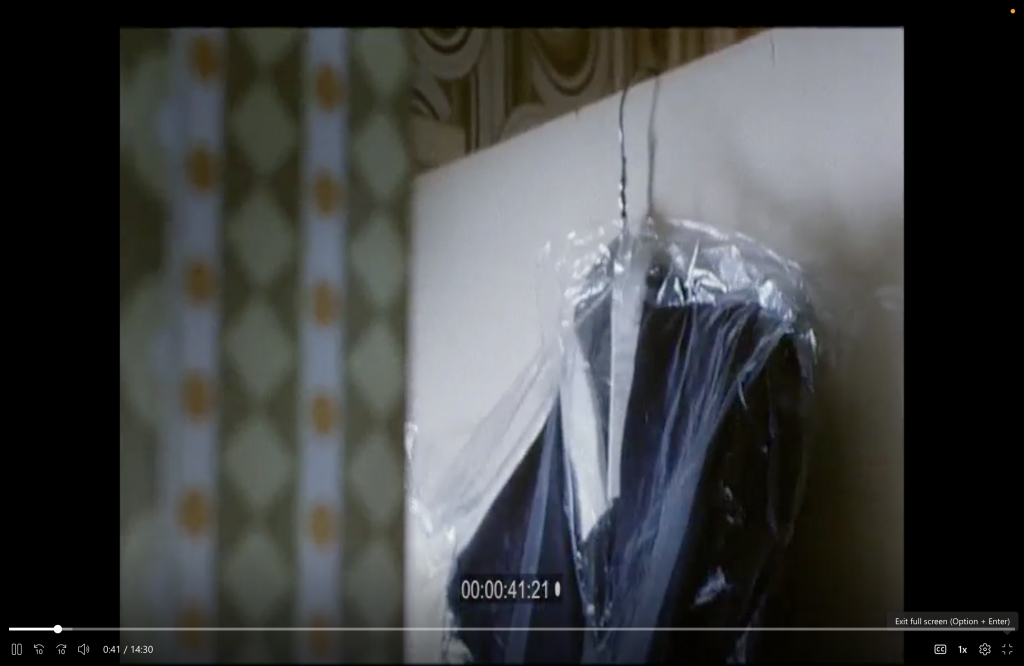
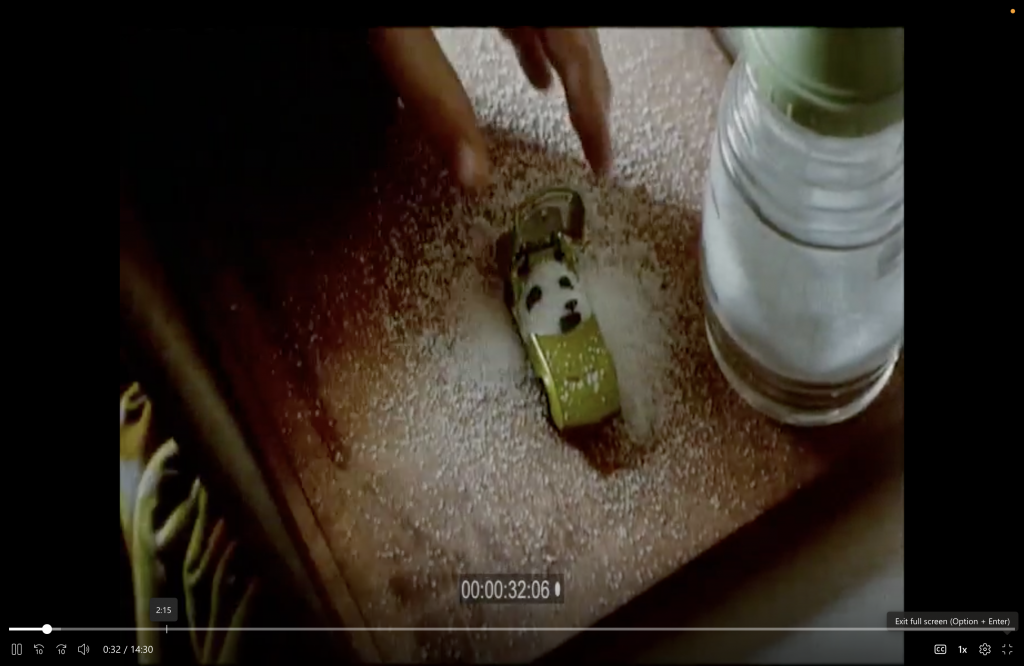
    At the beginning of the film, the scene takes place inside a family home, where the characters are getting ready to go out. There are many small everyday sounds, such as shoe brushing, ironing, footsteps, clothes rustling and sugar being poured. We can also hear children singing, making toy car engine sounds and talking, as well as their mother’s voice in the background.

    I noticed that these sounds are layered together rather than presented separately. The radio music plays in the background, while the sounds of different activities happen around it. This creates a realistic domestic atmosphere and makes the space feel active and full of life.

    One interesting detail is the way the children create their own sounds while playing. For example, a child makes engine noises while playing with a toy car, and sugar is poured over the toy to create the idea of snow. These small details show how ordinary objects and actions can become part of the sound design.

    Another important aspect is the relationship between sound and image. At the beginning, the camera mainly shows close-up details of hands, feet and different parts of the characters’ bodies, rather than showing their faces. We can hear people speaking and moving around before we clearly see who they are. The sounds help us understand what is happening in the scene and give us a better sense of the characters and their environment.

    The Christmas music also plays an important role in setting the mood. It creates a warm and familiar atmosphere, but the overlapping voices and constant movement make the scene feel slightly chaotic.

    Through this analysis, I realised that everyday sounds can be just as important as dialogue or music. Small details can help build a believable environment and communicate the relationships between characters. I would like to explore these sounds further through my own Foley recordings and experiment with how different recording techniques can recreate the original atmosphere of the film.

  • Film choice:Gasmen(1998)

    Film title:Gasmen

    Director:Lynne ramsay

    Year:1998

    Country:UK

    Duration:Approximately 14 minutes

    Genre:Drama/short film

    Synopsis

    Gasman follows a young girl and her younger brother as they accompany their father to a Christmas gathering. During the journey and the gathering, the girl encounters another family and begins to notice an uncomfortable situation involving her father. Through the children’s reactions and observations, the film explores family relationships, childhood, and the discovery of hidden truths.

    I chose the first three minutes of Gasman (1998), directed by Lynne Ramsay, for my final project because there are many different sounds in this part of the film. Most of them come from everyday actions, and I think it would be interesting to recreate them using objects I can easily find.

    I want to try different objects to see how their sounds compare with the original sounds in the film. Some objects may sound very different from what I expect, which could make the process more interesting. I hope to find creative ways to recreate the sounds and make them fit the actions on screen.

  • week 2

    sound acquisition and locating recording

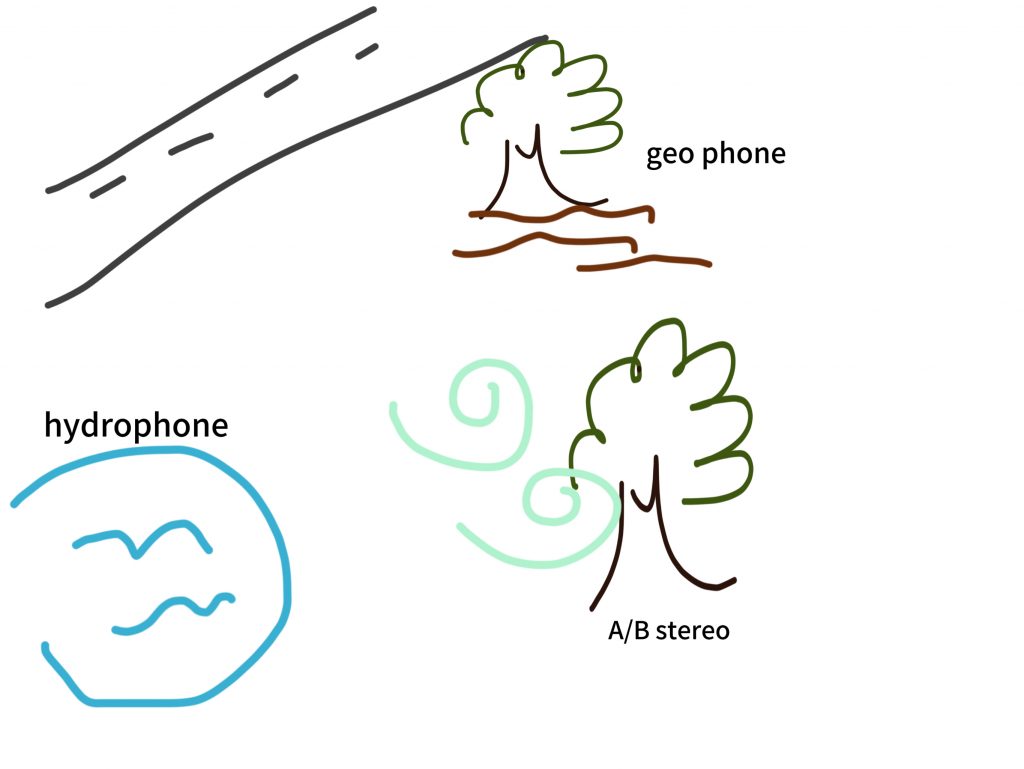
    For this exercise, we went to a small park near LCC to record sounds using different equipment. I used a geophone near the road, an A/B stereo microphone setup to record the wind and leaves, and a hydrophone in the pond.

    ground1

    I started with the geophone, recording vibrations in the ground near the road. When a tube train or a large bus passed, the vibrations became much stronger. I found this quite interesting because I usually think of sound as something I hear with my ears, but this experience made me think about the sounds and movements happening beneath the ground. The park seemed quiet at first, but the geophone revealed another side of it. Even when I was standing in a green space, the transport nearby was still affecting the environment in a way I could not normally notice.

    wind

    After that, I used the A/B stereo microphone setup to record the wind and the leaves. The microphones were very sensitive, picking up the rustling of the leaves and the movement of the wind. These sounds seemed quite ordinary when I was standing in the park, but listening through the recordings made me pay more attention to them. I started to wonder how many small sounds I ignore every day simply because I am used to hearing them. The microphones did not change the environment itself, but they changed what I noticed about it.

    pond

    Finally, I used the hydrophone in the pond. I could hear the movement of the water and the sound of water falling from the fountain in the middle of the pond. I had never really thought about listening to a pond in this way before. Water is something I usually look at rather than listen to, so recording it made me focus on a part of the environment that I would normally overlook. It also made me curious about how different the same place might sound if I could listen to it from beneath the water rather than from the edge of the pond.


    What interested me most was that I was recording in one small park, but the three devices gave me very different experiences of the same place. The geophone revealed vibrations from nearby transport, the stereo microphones picked up the small details of the wind and leaves, and the hydrophone allowed me to explore the sounds in the water. It made me question whether we ever hear a place as it really is, or whether we only hear the parts that our ears are able to notice.

    I also started thinking about what happens when these recordings are played together. The sounds came from the same place, but they were captured in different ways and from different parts of the environment. If I layered them, I could create a soundscape that might feel very different from what I actually experienced while standing in the park. I would like to experiment with this and see whether combining these sounds could reveal a hidden side of the place, or create a new environment that exists only through sound.

    sound map

  • week1

    Title: Piper (2016)

    Director: Alan Barillaro

    Sound Designer: Ren Klyce

    Composer: Adrian Belew

    I picked Pixar’s short film Piper because the sound design for the beach environment is just amazing.

    Since there is no talking in the whole film, everything depends on the sound and music to tell the story. The sound designer used a lot of real natural sounds, like waves, wind, and the sound of walking on wet sand, which makes you feel like you are actually standing on the beach.

    My favorite part is how the ocean sound changes with the main character’s emotions. At first, the waves sound huge and scary because the little bird is terrified of the water. But when it finally goes underwater, the noise suddenly turns into a super quiet and peaceful soundscape.

    It’s a really good example of how sound can not only describe a place, but also show how a character feels.

  • Hello world!

    Welcome to myblog.arts. This is your first post. Edit or delete it, then start blogging!